Best time to fly to Chicago
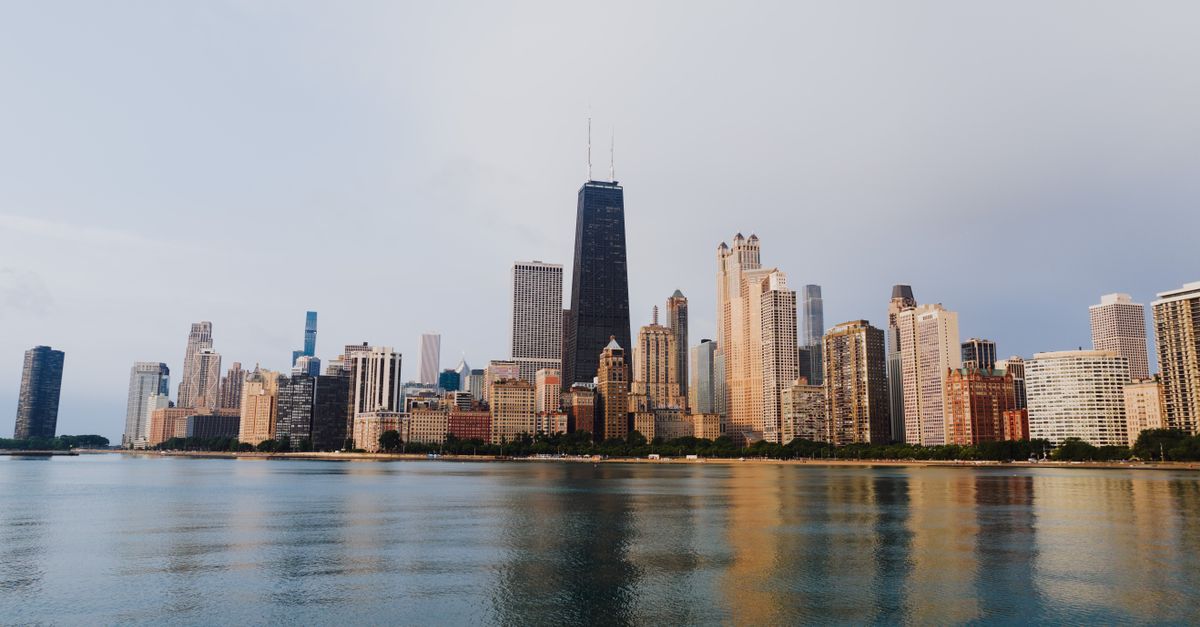
Chicago swings hard between frigid winters and festival-packed summers. The sweet spot is May or September to October, when the weather is genuinely pleasant and fares sit below the summer peak. January and February are the cheapest months to fly, with deep hotel discounts and thin crowds.
Live cheapest flight to Chicago I’m tracking right now: US$184 from Miami (Dec 2026).
The short answer
The best time to fly to Chicago for most people is May, or September through October, when the city is at its most pleasant and fares sit below the summer peak. If price is the deciding factor, January and February are the cheapest months by a clear margin: they are cold, often brutally so, but hotels discount heavily and the tourist crowds vanish.
Chicago season by season
Winter (December to February) is the real deal. Daytime highs average around freezing (0 to -2 C), and January is the city's coldest and snowiest month, with roughly 25 cm of snowfall and lows that can hit -18 C when the wind whips off Lake Michigan. This is the cheapest time to fly by a meaningful margin. The holiday lights, Christkindlmarkt and ice skating at Millennium Park make December worth braving the cold, but the true bargain window is January and February, when hotels and flights drop to their lowest and you will have the Art Institute galleries nearly to yourself.
Spring (March to May) is a slow thaw. March stays cold and grey, with daytime highs around 7 C and the St Patrick's Day parade on March 17, when the Chicago River is dyed a bright shamrock green. April is unpredictable, swinging from 10 C and drizzle to 20 C and sun, sometimes in the same day. May is when the city finally turns: highs reach 20 C, the trees leaf out, the lakefront trails fill with runners and cyclists, and the first festival tents go up. Fares sit below summer levels and the weather is genuinely pleasant, making May one of the best-value windows of the year.
Summer (June to August) is peak everything and the most expensive time to fly. Daytime highs hit 28-32 C with humidity that can make it feel hotter, and afternoon thunderstorms roll through on roughly a third of days. This is when Chicago earns its reputation for festivals: the Blues Festival in June, Taste of Chicago in July, Lollapalooza and the Air and Water Show in August. Beaches along the lakefront open, the architecture boat tours run constantly, and the city hums from morning to late evening. Book early and expect the highest fares of the year.
Autumn (September to November) is the other sweet spot and, to me, the smartest window. September stays warm (highs around 25 C) with thinning summer crowds, the Chicago Jazz Festival lands over Labor Day weekend, and the weather is the best of the year. October brings the Chicago Marathon and crisp, cool days, with highs dropping from 20 C early in the month to about 12 C by November. By November the cold returns, fares drop toward winter levels, and the pre-holiday lull is a solid value pick before Christmas pricing kicks in.
Dates that move the price
Three windows push Chicago fares up from Canada and the US: March break (mid-March), the summer school holidays (June through August), and the Christmas-New Year fortnight. Summer is the biggest spike, when Lollapalooza (first weekend of August), the Chicago Air and Water Show (August), and Taste of Chicago (July) stack onto general summer demand. March break collides with St Patrick's Day and the city's second-biggest parade, so that specific week carries a premium. The Chicago Marathon (October) and the Chicago Auto Show (February) add small bumps for their specific weekends. For the rest of the year, the main variable is the weather: the cheaper the season, the colder it is outside.
When to book
Chicago is well-served from Canada, with non-stop flights from Toronto (about 90 minutes), Montreal, Vancouver and Calgary, plus dozens of daily connections from US hubs. For domestic and cross-border economy, I usually see the best fares one to three months out, and midweek departures (Tuesday and Wednesday) undercut Friday and Sunday by a solid margin. For the summer festival peak and the Christmas fortnight, book as early as you can, two to three months ahead at least. For the January and February bargain window, you can hold out closer to departure, since airlines discount that period as it approaches. And always compare gateways: the cheapest city to fly into Chicago from shifts week to week, which is exactly what the live routes below track. For a sense of what a full trip costs from different starting points, I keep detailed budget breakdowns on ehbudgettravels.com.
Where to stay: choosing a neighborhood
First-timers who want to be in the middle of it should stay in The Loop or River North. The Loop puts you steps from Millennium Park, the Art Institute and the L trains, with the theatre district a short walk west. River North has the best restaurant row (Clark, Rush and State Streets between Chicago Avenue and Ontario Street), gallery hopping and the nightlife. Both are central and priced accordingly.
Lincoln Park, north of downtown, is the quieter, greener pick: the zoo is free, the lakefront path is at the bottom of the park, and the restaurants along Armitage and Halsted are among the city's best. It is family-friendly and less touristy than the core. Wicker Park and Bucktown, northwest of the centre, are the hip, walkable choice: vintage shops, indie bookstores, some of the strongest food and coffee in the city, and a younger crowd. Hotels here are limited, so short-term rentals are the better bet.
Near West Side (West Loop, Fulton Market) has become the dining destination of the decade, with warehouses converted into top-tier restaurants, tech offices and boutique hotels, but it can be pricey. For the cheapest beds, look at the hotels near O'Hare (Rosemont) or Midway with a direct L or hotel shuttle into the centre; the trade-off is 30-45 minutes of commute each way. Wherever you stay, stay near an L line or a bus route. A car in downtown Chicago costs more in parking than most hotel rooms.
Things to do in Chicago
Start with the free stuff. Millennium Park and Cloud Gate (the Bean) cost nothing, and the Art Institute is free for Illinois residents on certain days but not for visitors, so budget US$25 for general admission. Lincoln Park Zoo is one of the last free large zoos in the country and genuinely good. The Lakefront Trail runs 29 km along Lake Michigan, past beaches, parks and skyline views, and the Riverwalk through the Loop is a free pedestrian path with bars, restaurants and boat-watching. The architecture boat tour run by the Chicago Architecture Center is worth every dollar of the US$45 or so; it is the single best way to understand the city.
Paid attractions: the Art Institute of Chicago is a world-class museum (its Impressionist collection is second only to Paris), the Field Museum and Shedd Aquarium are excellent for families, and the Willis Tower Skydeck or 360 Chicago at the former Hancock building give the best views. Wrigley Field tours are worth it for baseball fans, and the Garfield Park Conservatory is a free-donation greenhouse that is one of the most underrated attractions in the city. Navy Pier is touristy and overpriced but the fireworks on Wednesday and Saturday nights in summer are free.
Eat like a local: deep-dish pizza is the tourist version, but a proper Chicago-style hot dog (Vienna Beef, no ketchup) and an Italian beef sandwich from Al's or Portillo's are the real classics. The neighbourhoods are the dining story: Chinatown, Little Italy, Greektown and Devon Avenue for Indian food all reward the traveller who leaves the Loop.
Safety & practical tips
Chicago is a safe city by US big-city standards. The tourist areas (the Loop, River North, Lincoln Park, the Near North Side) are heavily policed and well lit. The realistic risks are petty theft in crowded areas: keep phones and wallets zipped on the L train, especially on the Red and Blue lines, and don't leave anything visible in a rental car. Some neighbourhoods south and west of the Loop have higher crime rates, but visitors have no reason to be there, and the transit network clearly separates those routes.
The CTA L trains and buses cover the city effectively. A Ventra card works on both, and a 3-day pass costs US$15 for unlimited rides. The airport trains are the Blue Line to O'Hare (about 40 minutes) and the Orange Line to Midway (about 30 minutes). Ride-shares are abundant but surge near the big event venues at closing time. Tipping is 18 to 20 per cent at sit-down restaurants, a dollar or two per drink. The weather is the real wild card: a January day can feel like -20 C with wind chill, and an August day can hit 38 C with humidity. Pack layers and check the forecast. Travel insurance is non-negotiable for a US trip from Canada: provincial health plans don't cover you across the border.
Bottom line
My honest read: fly in May or September to October for the best balance of weather, low crowds and moderate fares. If the fare decides everything, go in January or February and bundle a coat with your planning: you will save a lot on flights and hotels, and the museums and restaurant scene are at their quietest and most accessible. Avoid July and August unless your dates are locked in or festivals are the point. Avoid the Christmas-New Year fortnight for a pure price play. And always compare gateways, because the cheapest city to fly into Chicago from Canada and the US changes week to week, which is exactly what the live routes below track.
Cheapest months (from my price checks)
Based on departure months I’ve sampled on the cheapest origin into Chicago right now. Patterns firm up as more history banks.
| Departure month | Cheapest seen |
|---|---|
| November | US$146 |
| September | US$146 |
| August | US$152 |
| October | US$171 |
| January | US$171 |
| December | US$172 |
Practical tips
- Best balance: May and September-October for pleasant weather and shoulder fares.
- Cheapest fares: January-February with deep hotel discounts and thin crowds.
- Avoid July-August (Lollapalooza and peak summer demand) and the Christmas fortnight for lowest prices.
- Book 1-3 months out for economy; midweek departures (Tue/Wed) undercut weekends reliably.
- Stay in The Loop or River North for walkability, Lincoln Park for quiet, Wicker Park for food and style.
- CTA L trains cover the city; a 3-day Ventra pass is US$15. O'Hare and Midway are on the Blue and Orange L lines.
- Chicago winters are cold (Jan lows near -18 C); pack layers and check the forecast.
Current flights to Chicago
- Miami to Chicago flights — US$184
- Washington DC to Chicago flights — US$206
- Phoenix to Chicago flights — US$244
- San Francisco to Chicago flights — US$252
- New York to Chicago flights — US$315
- Boston to Chicago flights — US$331
- Seattle to Chicago flights — US$474
- Calgary to Chicago flights — $478
- Quebec City to Chicago flights — $565
- Edmonton to Chicago flights — $579