Best time to fly to Dublin
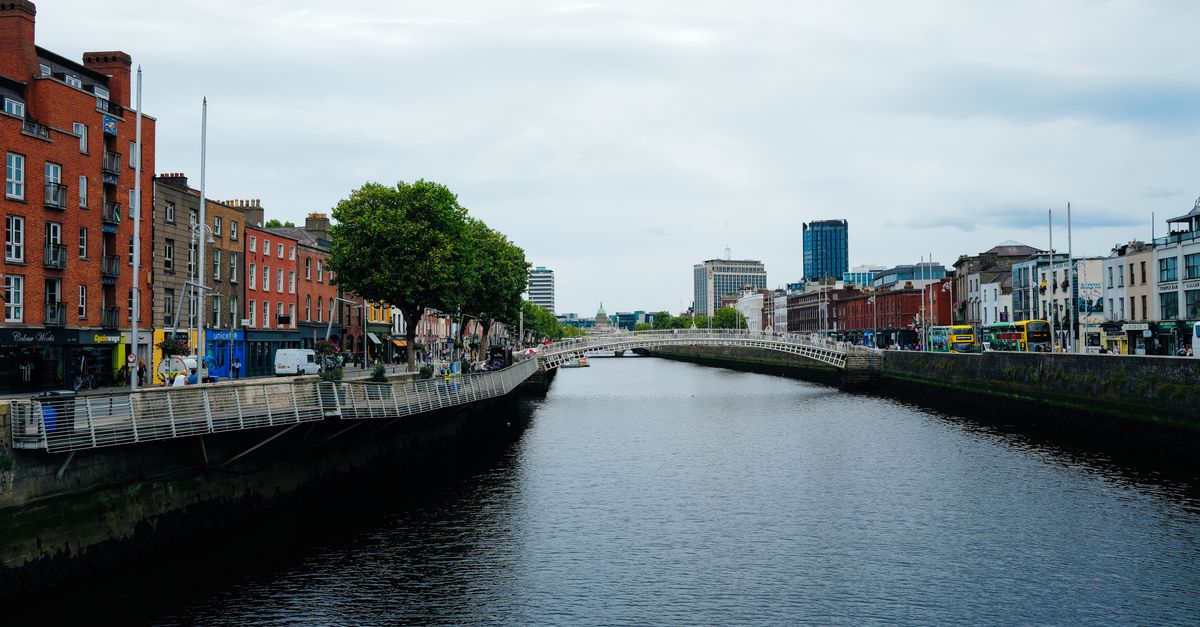
Dublin is a compact, walkable city with a mild climate and year-round pub-and-culture appeal. The best value windows are the winter months outside the Christmas fortnight; late spring and early autumn offer the best balance of weather and price.
Live cheapest flight to Dublin I’m tracking right now: US$394 from New York (Feb 2027).
The short answer
The best time to fly to Dublin for most people is late May through early June, or September through mid-October, when the weather is at its most pleasant and fares sit below the summer peak. If the price is the deciding factor, target January through February, or November through early December: the coldest, quietest months are reliably the cheapest to fly into Dublin from Canada and the US.
Dublin season by season
Winter (December to February) is cold and damp. Daytime highs average 8 C, nights hover around 2 C, and rain falls on roughly 11 to 13 days per month. Snow is uncommon but possible from January to March. This is the cheapest time to fly by a meaningful margin, outside the Christmas and New Year fortnight, which sits at the start and behaves like a separate price window altogether.
Spring (March to May) warms slowly. March is still chilly (highs around 10 C) and wet, but by April the days stretch, and by May temperatures reach a pleasant 15-17 C with noticeably more sunshine. St. Patrick's Festival in late March draws a flood of diaspora and curiosity visitors and pushes fares up for its specific window, but spring overall runs below summer pricing.
Summer (June to August) is the busiest and most expensive season, though Dublin's version of summer is mild by most standards: June and July highs average 19-20 C, with daylight lasting until nearly 10 PM. August is the wettest summer month with about 73 mm of rain. The city fills with North American and European tourists, and the non-stop flights from Toronto, Montreal and several US cities run at their highest load factors.
Autumn (September to November) is the smart money window. September keeps summer warmth (highs around 17 C) with thinning crowds. October stays mild and is one of Dublin's driest months. November turns cooler and wetter and fares drop back toward winter levels. The Dublin Theatre Festival and the Dublin Marathon both land in this window and nudge accommodation prices for their specific weekends.
Dates that move the price
The Christmas and New Year fortnight is the single most expensive week to fly into Dublin. Holiday demand from the Irish diaspora is enormous: Aer Lingus and Delta add seasonal capacity from North America and still sell out. Book three to four months ahead or pay a premium.
St. Patrick's Festival (March 16-19) is the next biggest spike. The city fills with international visitors for the parade and pub crawl, and hotels and flights tighten about two weeks out. Summer school holidays (June through August) and Canadian and US March break are the other big demand drivers. The Dublin Horse Show in early August and the Dublin Marathon in late October add smaller bumps to their specific weekends. Bloomsday on June 16 draws a dedicated literary crowd; it does not move fares much but is worth knowing if you want to be in town for the James Joyce celebration.
When to book
Dublin has non-stop flights from Toronto (about 6.5 hours), Montreal, Boston, New York and Chicago, plus one-stop options from most other Canadian and US cities via these gateways or through London and Reykjavik. For transatlantic economy, I usually see the best fares land two to four months out, and midweek departures (Tuesday and Wednesday) undercut Friday and Sunday by a consistent margin.
For the winter bargain window (January and February), you can often hold out closer to departure, since airlines discount that period as it approaches. For the summer peak and St. Patrick's Festival, book as early as you can. And always weigh the origin: the cheapest gateway into Dublin from Canada and the US shifts week to week, which is exactly what the live deals below track. For a sense of what the full trip actually costs, we planned a full 7-day Dublin trip from Boston for USD 1,520 per person, including flights, stay, food and local spending: see the full trip breakdown.
Where to stay: choosing a neighborhood
First-timers who want to be in the middle of everything should stay in Temple Bar and the city centre. Temple Bar itself is the cultural and nightlife hub, but it can be loud and pricey; the streets between Dame Street and the River Liffey give you walkable access to Trinity College, Dublin Castle and most of the major sights.
The Georgian quarter around St Stephen's Green and Merrion Square is the classic, graceful choice. The squares are the best green spaces in the city, Grafton Street shopping is a short walk, and the restaurant scene in this area is the strongest in Dublin. Hotels here sit at the higher end of the mid-range.
North of the Liffey, around O'Connell Street and Parnell Square, prices drop and the experience gets more local. The Dublin Writers Museum, the Gate Theatre and the International Bar are in this area, and the street-food and pub scene is less polished but more authentic. For a quieter, residential stay, consider neighborhoods like Rathmines, Ranelagh or Ballsbridge south of the Grand Canal, where you will find guesthouses and B&Bs well short of the city centre in price.
Things to do in Dublin
The essential paid attractions are the Book of Kells at Trinity College (book ahead, the queue is real), the Guinness Storehouse with its rooftop Gravity Bar and city views, the EPIC immigration museum at the Custom House, and Dublin Castle. The National Museum of Ireland, the National Gallery and the Chester Beatty Library are free and excellent, and each takes a solid two hours.
The free stuff is just as good. St Stephen's Green is the central park, Phoenix Park is the largest enclosed urban park in Europe at 707 hectares, and a walk along the Grand Canal or the Ha'penny Bridge across the Liffey costs nothing. The Dublin street-art scene, especially around the Liberties and Smithfield, rewards wandering with a camera.
The pub culture is the real headline. The Brazen Head, founded 1198, claims to be Ireland's oldest pub. The Palace Bar and the Stag's Head are classic Victorian interiors worth a pint even if you do not drink. For food, the Temple Bar Food Market on Saturdays and the Dublin Bay oysters in the autumn months are the reliable local things. And the coastal walk from Sandymount to Howth on the DART train takes about an hour and gives you a different side of the city entirely.
Safety & practical tips
Dublin is a safe city by European standards. The realistic risks are petty theft in the tourist-heavy areas: Temple Bar, Grafton Street and the Luas tram lines. Keep your phone and wallet zipped up in crowded pubs and on the street after dark. The area around Connolly Station warrants extra awareness at night.
Public transport is straightforward. Dublin Bus and the Luas tram cover the city, and the DART train connects coastal suburbs from Howth to Bray. A Leap Card works on all three and caps daily fares. Taxis and rideshares are available and regulated; you will usually need to book rather than flag one down. Tipping is polite but not pressured: 10% at a sit-down restaurant, rounding up for a drink, nothing on a bar tab for a simple pint.
The weather is the main practical concern. A waterproof jacket is non-negotiable in every season. A February day can serve up rain, sun and back to rain in 45 minutes, so layers are your friend. Most pubs, restaurants and museums accept contactless payment. Irish healthcare is excellent for an emergency, but provincial health plans will not cover you, so travel insurance is worth the modest cost for a transatlantic trip. US citizens do not need a visa; Canadians can visit for up to 90 days without one.
Bottom line
My honest read: fly in late May, early June or September to mid-October for the best combination of mild weather and a fair price, and book about two to three months ahead for a midweek departure. If the fare is the whole game, go in January, February or November: you will trade grey, damp days for the lowest fares of the year and quiet museums and pubs that are actually findable without a crowd.
Avoid the Christmas and New Year fortnight unless you have family there or the holiday scene is the point; it is the most expensive week of the year by a large margin, and the weather does nothing to compensate. And for any season, the cheapest gateway into Dublin from Canada and the US changes week to week, which is exactly what the live routes below track.
Cheapest months (from my price checks)
Based on departure months I’ve sampled on the cheapest origin into Dublin right now. Patterns firm up as more history banks.
| Departure month | Cheapest seen |
|---|---|
| February | US$385 |
| December | US$385 |
| January | US$467 |
| November | US$481 |
| October | US$487 |
| March | US$530 |
Practical tips
- Best balance of weather and price: late May-early June and September-mid-October.
- Cheapest fares: January-February and November before the Christmas fortnight.
- Avoid the Christmas-New Year fortnight and St. Patrick's Festival week for the lowest prices.
- Book 2-4 months out for transatlantic economy; midweek departures (Tue/Wed) undercut weekends reliably.
- Stay in the city centre or St Stephen's Green area for convenience, or south of the Grand Canal for quieter accommodation.
- A waterproof jacket is essential in every season. Dublin's weather changes fast.
Current flights to Dublin
- New York to Dublin flights — US$394
- Washington DC to Dublin flights — US$511
- Miami to Dublin flights — US$516
- Houston to Dublin flights — US$560
- Boston to Dublin flights — US$565
- Toronto to Dublin flights — $601
- San Francisco to Dublin flights — US$653
- Phoenix to Dublin flights — US$714
- Montreal to Dublin flights — $766
- Vancouver to Dublin flights — $768