Best time to fly to San Francisco
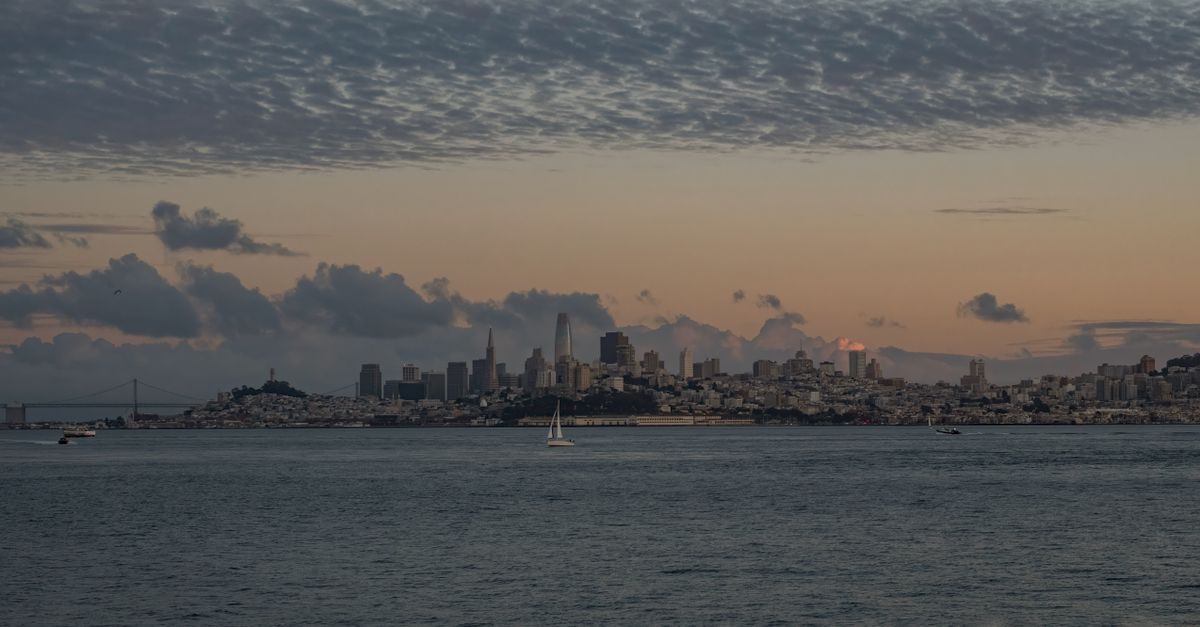
San Francisco is a year-round city with a famously micro-seasonal climate. The best time to fly is September through November or April through May, when the fog eases and fares sit below the summer peak. Winter is the cheapest time to fly by a clear margin.
Live cheapest flight to San Francisco I’m tracking right now: US$66 from Los Angeles (Dec 2026).
The short answer
The best time to fly to San Francisco is September through November, or April through May, when the city gets its clearest, warmest days and fares sit below the summer peak. If price is the deciding factor, target January through March: the coldest, rainiest months are reliably the cheapest to fly into San Francisco from Canada and the US, and the tourist crowds thin out completely.
San Francisco season by season
San Francisco has a famously odd climate, and locals will tell you Mark Twain never actually said "the coldest winter I ever spent was a summer in San Francisco" but the sentiment is real. The city sits in a Mediterranean climate zone, but the Pacific Ocean and the bay keep it cool and foggy year-round, with average highs ranging from 14 C in January to 22 C in September. The real variable is fog and rain, not raw temperature.
Winter, December through February, is San Francisco at its coldest and wettest. Daytime highs average 14 C, lows drop to 8 C, and about 11 to 12 days per month bring rain. This is the cheapest time to fly by a meaningful margin, outside the Christmas and New Year fortnight. The city is quiet, the Golden Gate Bridge is often socked in, but the museums and restaurant scene are wide open and far less crowded.
Spring, March through May, is the first sweet spot. March stays cool and wet, but by April the rain eases and the first sunny, 16 to 18 C days arrive. May is genuinely lovely: clear skies, temperatures around 18 C, and the summer fog has not settled in yet. The Bay to Breakers footrace in May fills the streets with costumed runners, and the Cinco de Mayo and Cherry Blossom festivals bring the city to life.
Summer, June through August, is San Francisco at its busiest, most expensive, and most misunderstood. July highs average just 20 C, which is colder than many Canadian summer days, because the fog rolls in from the Pacific and settles over the western neighbourhoods. The eastern parts of the city (the Mission, SoMa, Potrero Hill) are warmer and sunnier. Summer is peak tourist season from both Canada and the US, so fares and hotel rates are at their highest. This is when you need a sweater in August, and locals will tell you to pack layers more reliably than sunscreen.
Autumn, September through November, is to me the best time to be in San Francisco. September and October are the warmest and sunniest months of the year, with highs around 21 to 22 C, the fog finally clears, and the summer crowds thin out. The Folsom Street Fair in September and the Hardly Strictly Bluegrass Festival in October are highlights. By November the rain returns, the temperature drops to 17 C highs, and fares fall back toward winter levels. October is the month I would pick if I had one choice.
Dates that move the price
From the Canadian and US side, the demand spikes are the usual suspects: March break, the summer school holidays (June through August), and the Christmas-New Year fortnight. Summer is the biggest spike, because San Francisco draws a steady stream of leisure and business travellers from across North America, and the city has one of the tightest hotel markets on the continent.
San Francisco's own events shift things around the edges without moving the needle as much as the summer holiday window. Dreamforce, the giant Salesforce conference, fills every hotel room in SoMa and downtown in mid-September; if you are not attending, those are the dates to avoid unless you like paying peak rates for a city that is otherwise easing out of summer. The San Francisco Marathon in late July, Outside Lands music festival in early August, and Fleet Week in October all add smaller bumps. The one event that does move the fare dial from Canada specifically is the Christmas fortnight, when holiday demand combines with the city's general year-round appeal.
When to book
San Francisco is a high-frequency route from Canada, with non-stop flights from Toronto (about 5 hours), Vancouver (about 2.5 hours), Calgary, and Montreal, plus dozens of connections from smaller gateways through the major hubs. For economy, I usually see the best fares one to three months out, and midweek departures (Tuesday and Wednesday) undercut Friday and Sunday by a consistent 20 to 30 percent.
For the September to November sweet spot, book two to three months ahead. For the winter bargain window (January to March), you can often hold out until four to six weeks before departure, because airlines discount that period as it approaches. For the summer peak, book as early as you can, three to four months out, because the cheap seats on the non-stop routes from Toronto and Vancouver go first. And always compare your nearby gateways: the cheapest city to fly into San Francisco from changes week to week, which is exactly what the live routes below track.
Where to stay: choosing a neighborhood
First-timers who want to be in the middle of everything should base in Union Square and the Tenderloin border. Union Square is the hotel-heavy shopping and theatre district: central for the cable cars, the museums and the restaurants, and the Powell Street BART station is a short walk. The Tenderloin, immediately west, has cheaper hotels but a rougher street scene; the area around the Civic Center and Hayes Valley is the smarter budget play, with good eats, bars, and quick access to the Asian Art Museum and the San Francisco Symphony.
Fisherman's Wharf and North Beach are the tourist zone. Fisherman's Wharf itself is the postcard San Francisco: Pier 39, the sea lions, Alcatraz ferries, and the Musée Mécanique, all crowded and priced for it. North Beach, just west, is the Italian neighbourhood, with the best espresso, bakeries and pasta in the city, Washington Square Park, and City Lights Bookstore, the beat-generation landmark. Both are walkable to the Embarcadero and the Financial District.
The Mission District is the cultural and food heart of the city: Mission Street and Valencia Street are lined with taquerias, cafes, murals and some of the best restaurants in the Bay Area, and Dolores Park on a sunny weekend afternoon is the closest thing San Francisco has to a beach scene without the sand. Hotels here are limited, so short-term rentals or B&Bs are the better bet. Haight-Ashbury is the hippie-historic choice, with vintage shops, indie boutiques and the Red Victorian hotel. The Castro is the LGBTQ hub and one of the most welcoming neighbourhoods in North America, with a lively bar and restaurant scene and the Castro Theatre as its architectural centrepiece. For budget stays, look at the hotels along Lombard Street in Russian Hill and the Marina, where motel-style accommodation undercuts the downtown rates and the bus connections are good.
Things to do in San Francisco
The headline attractions are real and worth the crowds. The Golden Gate Bridge is free to walk or bike across (about 3 km each way, 30 minutes on foot), and the visitor centre at the southeast end has the full history. Alcatraz Island requires a ferry ticket booked weeks in advance; the evening audio tour is the version to book, because it sells out first and gives you the prison at dusk. The cable cars are a moving National Historic Landmark; ride the Powell-Hyde line for the best views and be prepared for queues at the turnaround. The Ferry Building marketplace on the Embarcadero is the best place to eat your way through Northern California produce, and the Saturday farmers market is a scene.
The free stuff is substantial. Golden Gate Park is larger than Central Park at over 400 hectares, with the de Young Museum (free) and the California Academy of Sciences on site. Land's End, the coastal trail at the northwest corner of the city, gives you the best views of the Golden Gate Bridge and the Pacific. The Painted Ladies at Alamo Square, the full-block murals at Clarion Alley in the Mission, and the walk along the Embarcadero from the Ferry Building to Pier 39 cost nothing. The Salesforce Transit Centre rooftop park in SoMa is a recent free addition, with views down Mission Street to the bay on clear days.
Paid attractions worth the ticket: the Exploratorium at Pier 15 is the best science museum for hands-on learning, the California Academy of Sciences in Golden Gate Park has a four-story rainforest and a living roof, the San Francisco Museum of Modern Art (SFMOMA) has one of the strongest modern collections on the West Coast, and the Asian Art Museum in the Civic Center covers 6,000 years of work. The Walt Disney Family Museum in the Presidio is a deep dive for fans. A day trip to Muir Woods north of the bridge or Alcatraz are the classic longer outings. Book tickets online for everything that offers them, because walk-up wait times at the most popular attractions are punishing in any season.
Safety & practical tips
San Francisco is a safe city by big-city standards in the tourist areas. The realistic risks are property crime: car break-ins are the single most common crime affecting visitors, so leave absolutely nothing visible in a rental car, not even a phone charger or a jacket. The neighbourhoods around the Tenderloin, parts of SoMa, and the Mission south of Cesar Chavez Street have more concentrated street-level issues, but the tourist core is well policed. Keep your phone zipped in crowded areas and on Muni and BART, especially around the Powell Street and Civic Center stations.
Getting around: BART connects the airport to downtown in about 30 minutes and covers the East Bay. Muni runs buses, the F, J, K, L, M and N light-rail lines, and the cable cars. A Clipper Card works on all of them, and a Muni Mobile ticket covers buses and light rail for US$5 for a day pass. The cable cars cost US$8 for a single ride and accept cash only. Rideshares are abundant but surge near the big event venues. Tipping is 18 to 20 percent at sit-down restaurants, a dollar or two per drink. The city adds a 1.5 percent tourism tax to hotel bills and a 9.3 percent hotel tax on top.
The weather is the wild card. The rule is layering: a fleece or light jacket in September is as essential as a winter coat in January. The fog can drop the temperature 10 degrees between the Marina and the Mission in 20 minutes, so a bag with a sweater and a scarf is worth carrying every day. The sun is moderate by California standards, but high-SPF sunscreen is still necessary for longer outdoor days, especially on Alcatraz and in Golden Gate Park. Travel insurance is non-negotiable for a US trip from Canada: provincial health plans do not cover you across the border, and US healthcare is expensive enough that a minor emergency can cost thousands.
Bottom line
My honest read: fly in September through November for the best weather and a fair price, or April through May as the second choice. October is the month I would pick if I could only go once: warm, clear, thinning crowds, and fares that sit comfortably below the summer peak. If the fare is the whole game, go in January through March: you will trade rain and fog for the lowest fares of the year, and the museums and restaurants are at their easiest to enjoy.
Avoid the summer peak (June through August) unless your dates are fixed, because that is when fares hit their highest and the fog is at its thickest. And always compare gateways, because the cheapest city to fly into San Francisco from Canada and the US changes week to week, which is exactly what the live routes below track.
For the full money side of a trip like this, we planned a full 7-day San Francisco trip from Vancouver for CAD 1,856 per person, with the flight itself at CAD 252. See the full breakdown on ehbudgettravels.com.
Cheapest months (from my price checks)
Based on departure months I’ve sampled on the cheapest origin into San Francisco right now. Patterns firm up as more history banks.
| Departure month | Cheapest seen |
|---|---|
| January | US$38 |
| December | US$38 |
| February | US$38 |
| October | US$46 |
| November | US$48 |
| September | US$48 |
Practical tips
- Best balance of weather and price: September-November and April-May. October is the pick.
- Cheapest fares: January-March, outside the Christmas fortnight.
- Avoid June-August unless dates are fixed: peak fares and maximum fog.
- Book 1-3 months out for economy; midweek departures (Tue/Wed) undercut weekends reliably.
- Stay in Union Square for walkability, North Beach for character, the Mission for food and culture, Lombard Street for budget.
- Pack layers every day of the year: the fog drops temperatures 10 degrees between neighbourhoods.
- Leave nothing visible in a rental car: break-ins are the most common crime affecting visitors.
- BART from SFO to downtown takes 30 minutes; a Clipper Card covers Muni and BART.
Current flights to San Francisco
- Los Angeles to San Francisco flights — US$66
- Phoenix to San Francisco flights — US$144
- Seattle to San Francisco flights — US$168
- Dallas to San Francisco flights — US$222
- Miami to San Francisco flights — US$246
- Chicago to San Francisco flights — US$265
- Vancouver to San Francisco flights — $300
- Boston to San Francisco flights — US$383
- Washington DC to San Francisco flights — US$396
- Edmonton to San Francisco flights — $430